






A private-label underwear launch starts with a clear product promise and an order that matches it. Before choosing colours or packaging, decide who the garment is for, what fit or use you intend to serve and how the collection will be sold. These decisions guide style selection, sizing, sample reviews and quantities. A supplier can offer useful options when your brief distinguishes those priorities from details that remain flexible.
Private labeling uses an existing garment as the starting point and adds the agreed brand identity. Changing the fabric, pattern or support system introduces a different scope. Keeping those routes separate helps you compare minimums, samples and production schedules. The first goal is to choose a garment you can approve with confidence, then make its branding and packing consistent with your sales channel.
Define your customer and the first assortment
Write a short customer and use statement. Explain whether the product is an everyday bra, a camisole, a brief, a matching set or another underwear category. Describe coverage, the intended size range and the clothing or situation in which it will be worn. Avoid adding many unrelated styles before you know which garment profile meets the main customer need.
Build an assortment plan by style, colour and size. A total quantity alone does not show whether the plan is workable. Several colourways can spread an order thinly, while an unsuitable size allocation can leave stock that does not match demand. Use your own customer information where available, and identify assumptions honestly when the brand is new. Share the allocation with the supplier before treating the minimum as a settled order.
Select a cooperation route before comparing minimums
Ready stock can serve a buyer seeking existing finished goods. Private label adds identity to a selected existing style. Style modification changes an agreed garment feature, such as colour, material or a design detail. Full OEM/ODM develops the garment around a technical design or a product concept. Each route needs its own feasibility review and order specification.
AIMEXAN’s reference minimums are 200 pieces for ready stock, 500 pieces per style for private label, 1,000 pieces per style per colour for modifications and 3,000 pieces per style per colour for full development. Stock allocation, size ratios and exact availability are confirmed in the quotation. These figures help frame the inquiry; they do not establish that any combination of styles or colours shares the same minimum.
Use the catalogue to make a specific inquiry
Browse garment details rather than selecting only by a hero image. Review the available fabric, size, strap, closure and cup information. Identify which listed attributes are essential to your brief and which need further discussion. If a required field is not listed, request it before approving the sample. A supplier should not need to guess whether a missing detail matters to the order.
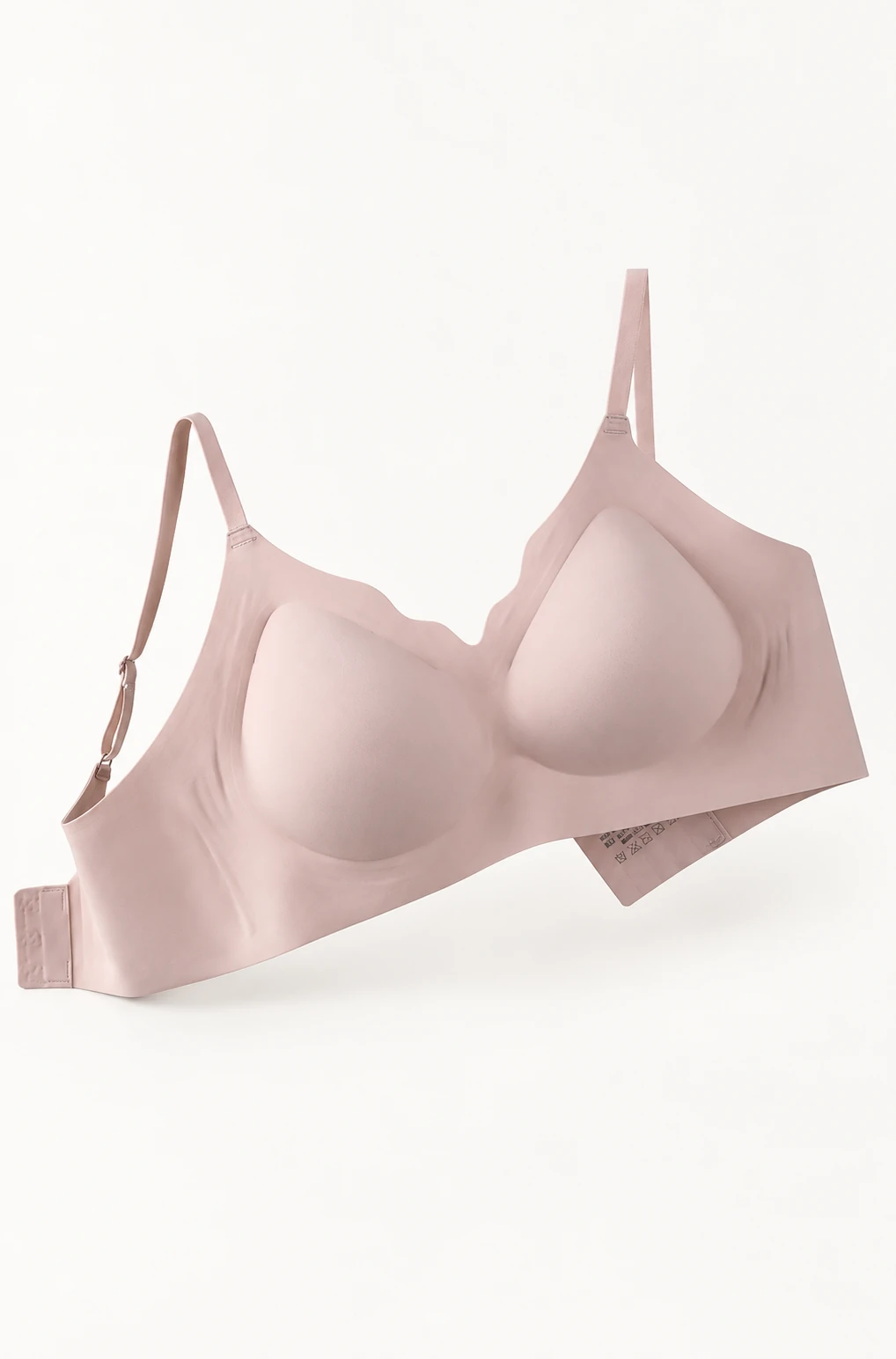
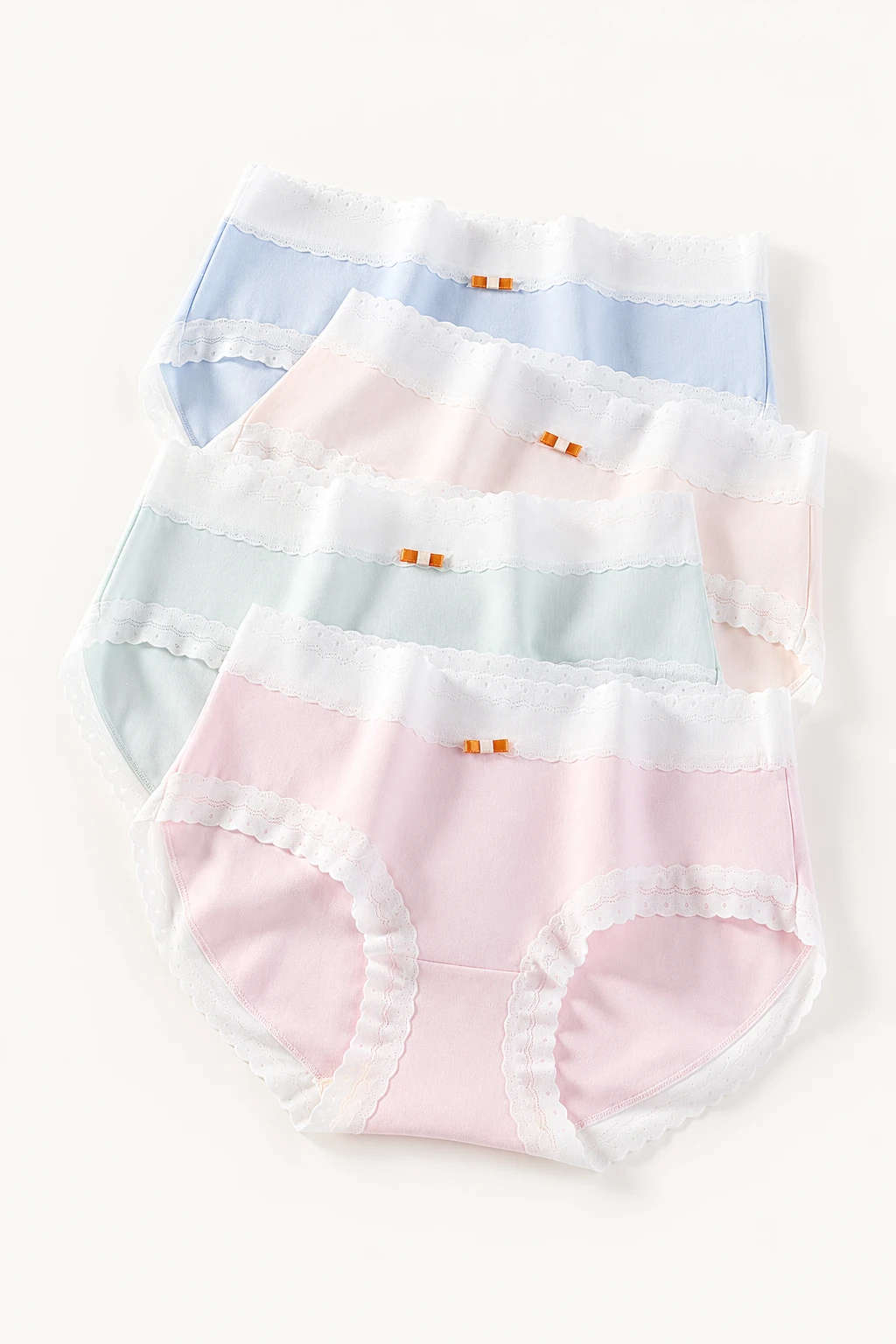
The AIMEXAN bra and camisole catalogue and panty catalogue link to individual model specifications. Send the model numbers with your quantities, destination and branding plan. Product views help identify a starting reference, while the approved physical sample establishes the final colour and garment detail. Keep the chosen model numbers in your approval records.
Prepare artwork and labels early
Prepare the logo file, brand label, care label and any hangtag artwork. State dimensions, colours, position and the intended application method. A logo on a presentation image is not a complete production instruction. Provide artwork that the supplier can review for the chosen method and ask for a sample of the placement when it is relevant to your order.
Review label information for the destination market and your chosen sales channel. Use the actual garment composition and care instructions rather than a generic label copied from another product. When a requirement is unclear, resolve it with the responsible adviser or platform guidance before approving production artwork. The brand owner should keep one final artwork version so that several conflicting files do not reach the production team.
Plan sampling as a decision process
Ask what the first sample is intended to prove. It may demonstrate an existing garment, revised fit, logo application or the full proposed product. Review only the features represented by that sample and list remaining approvals. For example, approval of the garment fit does not automatically approve a packaging colour that has not yet been sampled.
Reference sampling windows are about 3 days for ready stock, 3–7 days for private label and 7–10 days for modified or fully developed samples. Material sourcing, the design scope and revisions can affect those dates. Agree the actual sample schedule in the quotation. Return fit comments promptly and keep them specific so that revisions can be reviewed against a clear objective.
Assess fit with your intended customer in mind
Review the sample’s coverage, garment measurements, band position, straps and cup or pad arrangement where applicable. Check the inside surfaces and the garment during relevant movement. Record which size was reviewed and what needs to change. A general comment such as “make it more premium” gives the supplier little information; describe the material, finish or fit result you want instead.
Keep a distinction between an observed sample characteristic and a performance claim intended for marketing. A favourable fit review does not by itself prove a quantified support, absorption or durability statement. If a specific claim matters to your launch, define the testing and evidence required for the selected product. Approve those statements only when the supporting evidence matches the supplied garment.
Include packaging in the quantity and timing plan
A garment minimum and a packaging minimum can be different. AIMEXAN’s reference conditions include standard bags, while printed bags have a 5,000-unit minimum and gift boxes a 3,000-unit minimum. If your first garment order is smaller than the packaging run, discuss the practical arrangement in the quote. Do not assume that unused packaging storage or later allocation is included.
State whether the goods are packed individually, as sets or in another defined format. Provide barcodes, pack text, carton breakdown and shipping marks where required. Approve the packaging sample and artwork in time for the garment order. The labels and packaging guide is a useful starting point for this part of the brief.
Build the launch schedule around approval milestones
Work backwards from your required arrival date using the actual shipping scope and the supplier’s written schedule. Private-label production is planned at 20–30 days after sample approval; modified and OEM/ODM production at 30–45 days after PP sample approval. Development, freight and any destination handling need their own place in the plan. A production estimate should not quietly become a guaranteed arrival date.
Use the eight-step order process to track the quotation, fit sample, colour approval, deposit, PP sample, production inspection and balance payment. Assign an approver for each milestone. Keep changes visible because revised fabric, artwork or quantities can affect the agreed schedule. A realistic launch plan is built from these dependencies rather than one generic lead-time number.
Make the written order usable for the next purchase
Before paying the deposit, confirm the final style, quantities, colours, sizes, labels, packing, price, payment method and named shipping term. Bulk payment uses the agreed 30% deposit and 70% balance before shipment; your invoice records the applicable conditions. Keep the quotation, invoice and approval reference together so that the team can follow the order without relying on scattered messages.
After the launch, compare customer feedback and stock movement with the assumptions used in the first assortment. Use that information to adjust the next size or colour plan. Retain the approved garment specification and list any requested revisions explicitly. This turns the first private-label order into a repeatable sourcing process and gives both your brand and the manufacturer a clearer basis for future production.