






Choosing between seamless and cut-and-sewn bras is a product-development decision. Start with the wearer, fit and design objective, then compare the production routes that can deliver it. Neither category name tells you the entire garment story. A bra may combine knitted structures, fabric panels, bonded edges and sewn components. The useful question is which operations and materials are required for your specific product.
A supplier conversation should distinguish the knitting route, assembly method and visible finish. Buyers sometimes use “seamless” to mean a smooth surface under clothing. Others mean a garment made on seamless knitting equipment. Those are different briefs. When both sides use precise construction terms, quotations and samples become easier to compare and there is less room for an unexpected production compromise.
Separate manufacturing method from surface appearance
A smooth-looking bra can still contain joined parts. Bonded edges may reduce the visible impression of stitching, while some joins or attachments remain sewn. A knitted garment can also need later assembly or finishing. Ask the supplier to describe how the main body, straps, cups, pads, closure and edge are produced. Record each component rather than assigning one broad label to the whole bra.
Santoni’s manufacturing information provides a primary reference for circular seamless knitting. SHIMA SEIKI’s WHOLEGARMENT information describes another knitting approach. These references demonstrate that knitting terminology has specific technical meanings. They do not establish the equipment or construction of an individual AIMEXAN model; that belongs in the selected garment specification.
What a cut-and-sewn brief should describe
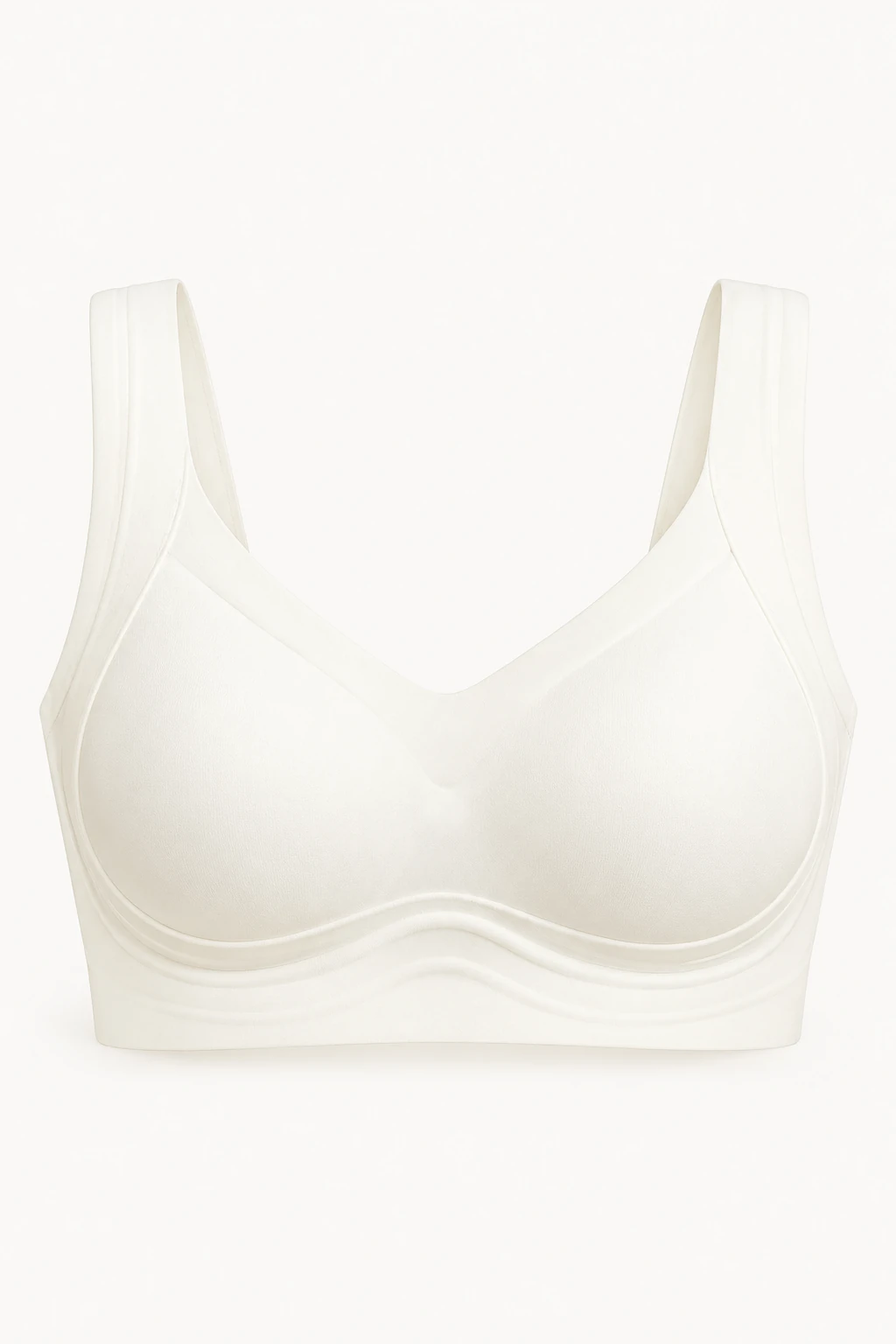
In a cut-and-sewn route, fabric pieces are cut and assembled to form the garment. For a buyer, the panel arrangement and join positions are useful design decisions to record. They can influence where a garment has shaping, contrast material or an adjustable component. State the desired appearance and fit first, then ask the development team to propose a workable pattern and assembly specification.
Do not specify a seam only because it appears in a reference photograph. Explain its purpose. Is it a shaping line, a visual panel boundary, an attachment point or simply a decorative detail? Ask how the inside surface will feel and how the seam sits during wear. A technical drawing showing front, back and interior views makes those questions easier to resolve before the first sample is made.
What a seamless-knit brief should describe
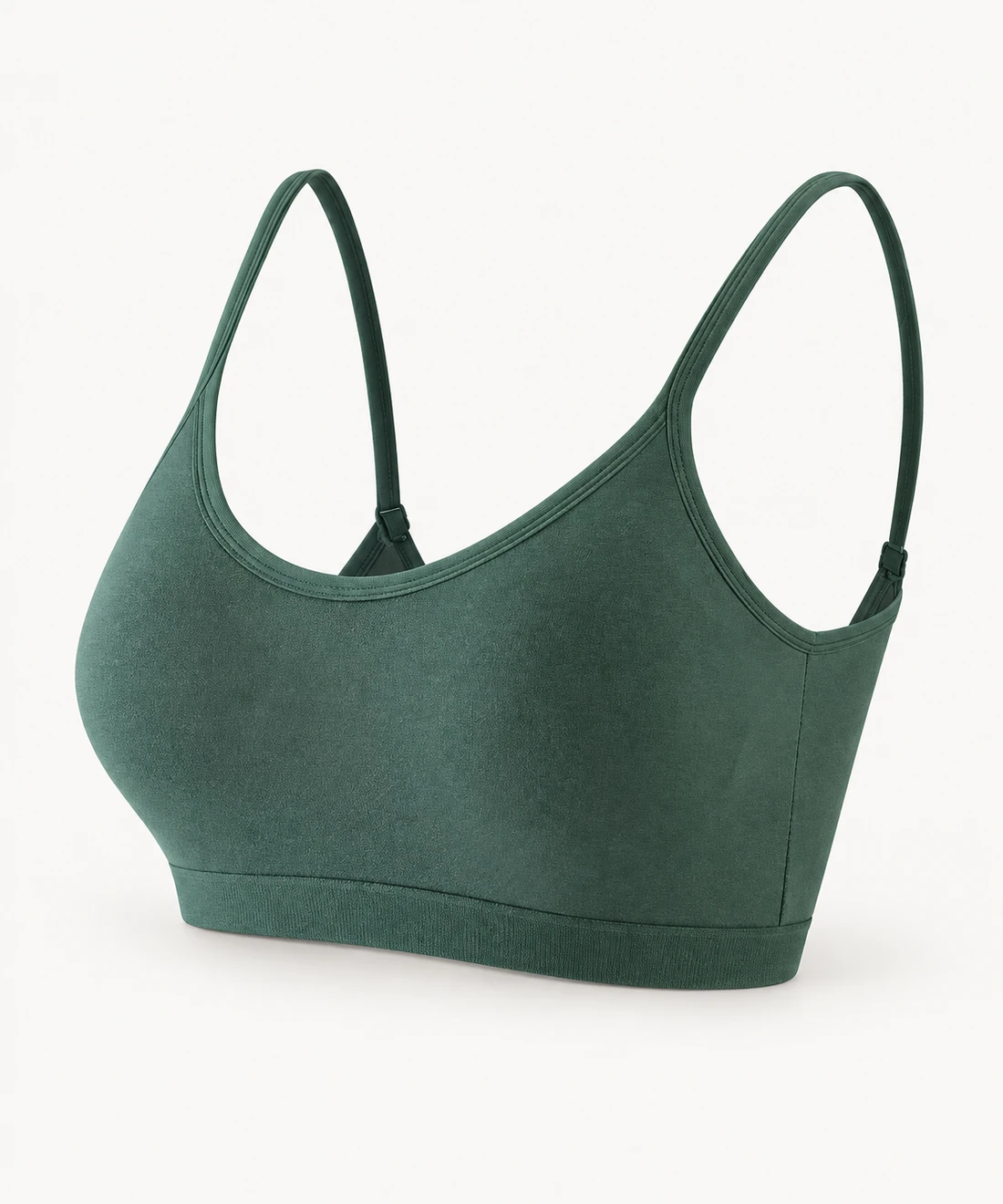
A seamless-knit project needs a clear account of the garment shape, knitted zones, stretch behaviour and any assembled components. Discuss the areas where you want different support or flexibility, the desired surface texture and the size plan. The supplier should explain which design features can be produced within the chosen knitting route and which require a later operation.
A buyer should avoid treating a fabric percentage as a complete functional specification. Two garments with similar fibre content can feel and fit differently because of their structure, finish, dimensions and construction. Review the actual sample for recovery, appearance and comfort. If a particular test result is required for your market or product claim, add the method and acceptance criterion to the agreed brief.
Compare fit through the same wearer and review method
Use a consistent sample review when comparing production routes. Choose the intended size and record the garment measurements. Evaluate neckline and underarm coverage, band position, strap behaviour and the cup or pad arrangement. Try the garment during the ordinary movement relevant to its use. Record both the observation and the area responsible so that the supplier can distinguish a sizing issue from a construction issue.
Do not award a route a universal comfort advantage from a single sample. Comfort depends on the wearer and the complete garment. The appropriate comparison is between two candidates built for the same customer and intended use. If you change the material, silhouette and size at the same time, the review cannot isolate which change made the difference. Keep a clear account of those variables.
Consider design freedom and approval complexity
A design with several panels, trims, closures or contrasting components needs an approval record for each relevant element. A knitted design needs its own shaping and structure decisions. The number of visible parts is not a reliable estimate of development effort. A garment that appears simple can require careful work to achieve stable dimensions and the intended fit across the size range.
Ask for a development plan based on the actual design. Identify the first prototype, fit review, colour approval and PP sample. State who can approve each stage and how comments will be returned. This lets the supplier review scope and schedule without hiding uncertainty inside a general promise that one production route is always faster or cheaper than another.
Evaluate edge treatment and care together
Edges affect how a bra looks beneath clothing and how it feels against the body. Review the neckline, armhole and lower band separately. Ask whether each is knitted, folded, bonded, sewn or finished through another agreed operation. The desired result should be demonstrated on the sample, including the inside view. An attractive front image gives only part of the evidence.
Care instructions must match the supplied product. Review the garment after the agreed care assessment and check appearance, measurements and the relevant joins. If your team intends to communicate a specific durability claim, define the test scope and evidence in advance. General technology descriptions are useful for choosing questions; they cannot replace the test evidence for a finished product.
Compare quotations using a common specification
Price comparisons become misleading when one quotation includes a different fabric, size range, packing format or delivery scope. Give each candidate the same versioned requirements and ask them to identify any proposed substitution. Compare the garment cost together with sampling, development, branding, packaging and freight responsibilities. A lower quoted figure is useful only when its scope is understood.
For AIMEXAN, review the seamless knitting direction and cut-and-sewn bra direction, then use the 58-model catalogue to identify a starting reference. Existing stock, private labeling, modifications and full development have different order conditions. The construction you require for the selected model must be confirmed before the order is final.
Keep the approved specification useful for inspection
Consider a small comparison worksheet with the same headings for each sample: body material, main construction, edge treatment, straps, cups, closure, size references and unresolved questions. Add your observations beside the supplier’s stated specification. That simple distinction helps avoid turning an impression into a confirmed fact. Once a candidate is chosen, move the approved decisions into the final specification and close the open questions before paying for bulk production.
The final specification should let someone inspect the product without having attended every development call. Include the model or design version, materials, measurement points and tolerances, component details, colours, labels and packing. Add clear photographs or drawings where words alone would be ambiguous. Keep the approval sample linked to that exact specification version.
When the first order is complete, retain the decisions that mattered to fit and construction. Reorders should refer to that approved version and explicitly list any changes. This gives your team a repeatable buying process across either construction route. The best choice is the route that meets your garment brief, passes your sample review and can be supplied under a clearly agreed production specification.