







An underwear tech pack turns a design idea into a shared production reference. Its purpose is to explain the garment clearly enough for development, quotation, sampling and inspection. It does not need to begin as a complicated document. A structured brief with accurate drawings, measurements and material decisions is more useful than a polished presentation that leaves essential details unresolved.
You can begin a supplier conversation with a sketch, a physical reference or model numbers. As the project progresses, decisions should move into one controlled specification. By the time a bulk order is released, the supplier and buyer should be using the same garment version. This checklist helps you identify what belongs in that final reference and which fields can remain open during the early discussion.
Identify the garment and control the document version
Give the garment a style reference and state the product category, intended use and target wearer. Add the document date and revision identifier. If the design begins with an existing model, include that model number and a clear list of changes. This keeps the base garment identifiable even when several sample revisions are reviewed.
Use a short change log to explain what changed between versions. Record which version was used for the current sample and which one is approved for the order. Avoid sending a new drawing separately from an unchanged measurement sheet without explaining the relationship. A development team should be able to determine the current reference without searching a long message history.
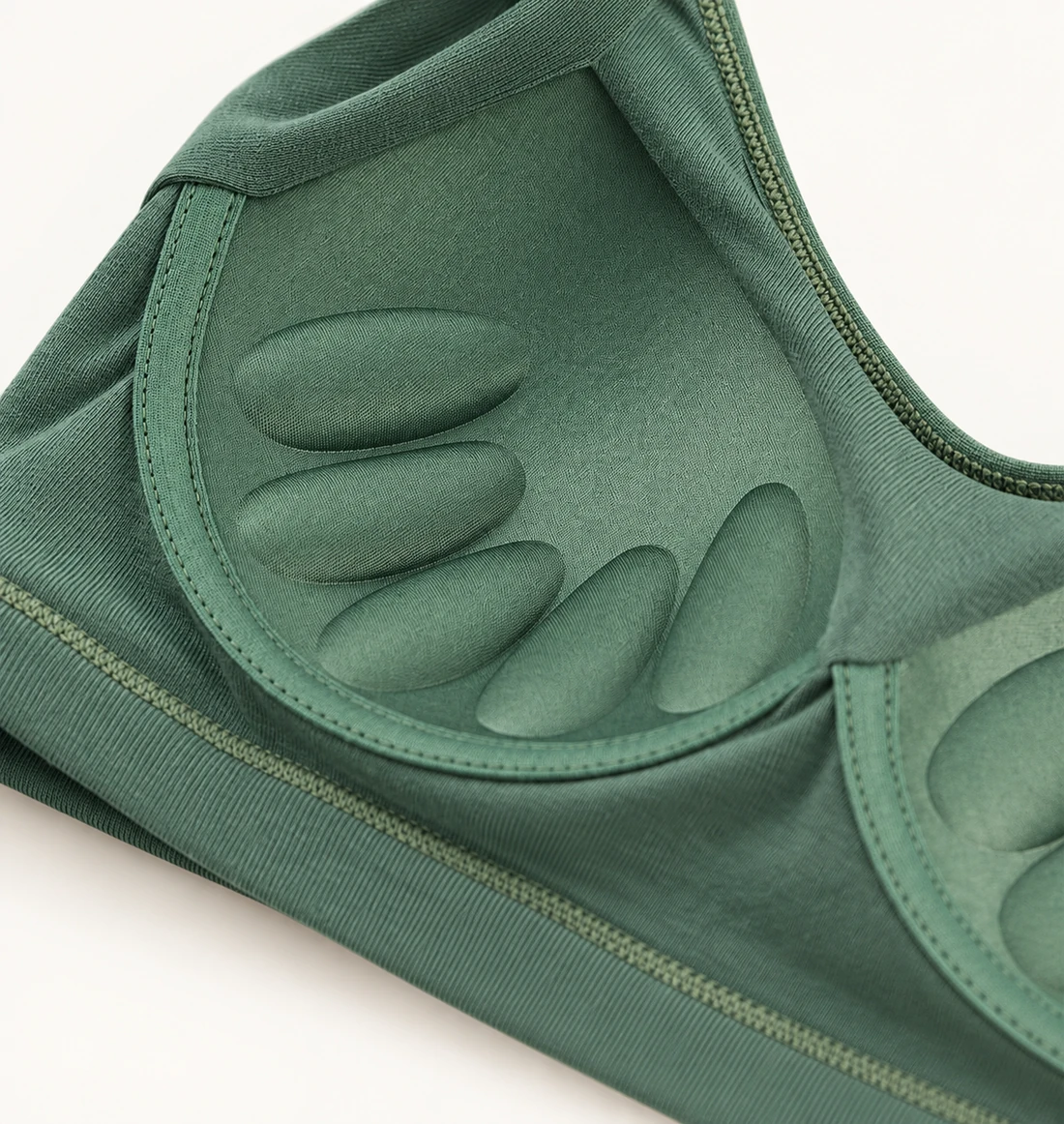
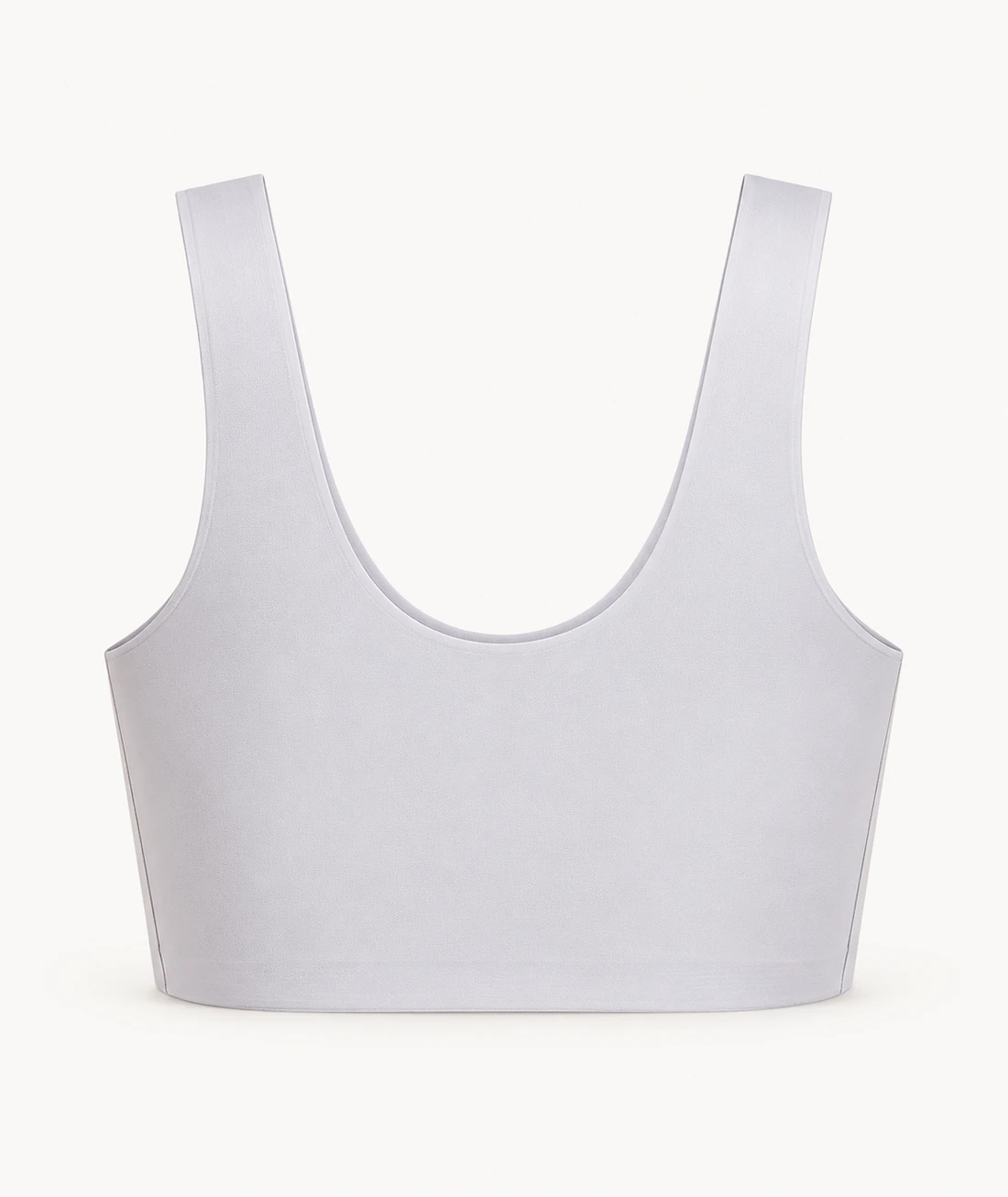
Provide front, back and useful interior views
Use technical drawings that show the garment shape and the important components. Front and back views are a good starting point; an interior or detail view can explain a support strip, gusset, cup pocket or join that is otherwise hidden. Mark the relevant callouts on the drawing and use the same names in the written construction notes.
Reference images can clarify an objective, but explain which feature each image represents. An image may demonstrate a neckline or label position without establishing the full garment design. Do not assume that the supplier will reproduce every visible detail. Keep your own artwork and brand identity distinct from any external visual inspiration used in the discussion.
Define materials and components separately
List the main fabric and the separate lining, gusset, cup, pad, elastic, strap, closure and trim components where applicable. For each one, record the agreed composition or specification, colour and intended use. If a field is not decided, mark it as a development question and request a proposal. An unknown value should not become a guessed percentage in the production sheet.
Explain any performance or hand-feel objective alongside the material choice. A fibre-content description alone does not define the finished garment’s behaviour. If a particular material report or test is required, state the standard, product scope and evidence needed. Review any proposed substitution before approving it, especially if it affects care instructions, fit or a customer-facing claim.
Create a measurement chart with clear points
Choose measurement points that can be repeated consistently. Name each point, show where it is taken on a diagram and state whether the garment is measured relaxed or under a defined condition. Use one unit system throughout the chart. An unexplained number such as “band 32” is ambiguous unless both the location and measurement method are clear.
Include the base size and the intended size range. Agree grading values and tolerances rather than assuming that the supplier will derive every size from one measurement. When discussing a bra or a stretch garment, distinguish garment dimensions from the customer body measurements used in your size guide. Keep the two references connected without treating them as interchangeable.
Specify the construction at relevant locations
Describe the assembly and finish for the neckline, armhole, lower band, side, gusset and any other critical area. State whether a requested feature concerns support, appearance or attachment. For jelly-strip, bonded, knitted or cut-and-sewn development, ask the supplier to explain the proposed method and include the agreed result in the specification.
Use detail drawings when a join or placement cannot be described precisely in one sentence. Identify which components may be adjusted during development and which are fixed requirements. This makes the first sample review more productive and prevents a later disagreement about whether a visible detail was a suggestion or a confirmed production instruction.
Keep colour approval independent from screen images
Name each colour and provide the intended physical reference or colour code. Identify which components should match and which should contrast. Record the agreed approval method for fabric, trim and printed artwork. A screen image can help communicate a direction, but screen settings and lighting make it unsuitable as the only final colour reference.
Where a lab dip or another colour sample is required, link the approval to the material and colourway it represents. Keep the approved reference and date with the specification. A change in material may require another colour review rather than assuming that the earlier approval applies unchanged. This is particularly useful when coordinating a bra and panty set with different fabric components.
Prepare brand, care and pack artwork
Provide the brand label, care label, logo application and hangtag files. State dimensions, colours, text, position and the application method. Review the actual material and care information before finalising label content. If destination-market requirements affect the text, resolve them before the production artwork is approved rather than making an assumption from another product’s label.
Add the individual pack format, barcode artwork, label placement and carton instructions. Specify whether the product is packed singly or as a set, and how style or size combinations are identified. The custom packaging page explains AIMEXAN’s reference bag and box minimums. Keep garment and packaging counts separate when they use different production minimums.
Define sample approvals and quality criteria
List the sample stages and the purpose of each one. A fit sample, colour approval and PP sample may answer different questions. Record the person who approves each stage and how approval will be communicated. Return comments against the correct document version and state whether the sample is approved, approved with specified changes or requires another revision.
Agree measurement tolerances and appearance criteria against the final sample. If inspection uses an AQL plan, define the sampling arrangement, defect categories and acceptance criteria with the order. A reference to AQL 2.5 alone does not describe every inspection decision. Buyer-arranged third-party inspection should be coordinated with the actual production and shipment schedule.
Connect the specification to the commercial order
The technical document should identify the style, colour and size quantities used for the quotation. Keep the commercial record clear about price, development scope, sample charges, payment and delivery responsibility. A tech pack should not quietly introduce new commercial terms after the quote has been accepted. Review changes with the supplier and record their effect on the order.
Use the OEM/ODM development page and ordering process to align the design approval with the invoice and production release. If you are adapting a catalogue model, attach its model number and revision list. The product catalogue provides garment references that can help make the starting point specific.
Use a final release checklist
Before releasing bulk production, check the style and document version, drawings, materials, measurements, construction, colours, labels, packaging and quantities. Confirm that the PP sample and approval record refer to the same specification. Resolve any open fields that could change the supplied garment. Keep a copy that purchasing, production and inspection can all identify as the approved reference.
For a repeat order, use that reference again and clearly list revisions. The value of a tech pack grows when it preserves the decisions that made the previous garment acceptable. A clear, versioned specification reduces avoidable interpretation and gives both parties a practical way to discuss the next sample, inspection or order without rebuilding the brief from scattered messages.